
API Casino Online: How to Integrate Casino API for Operators
I integrated a casino api for my operator sandbox, and it felt straightforward. The key was mapping API casino endpoints, webhooks, and game launch callbacks. 95% of issues were auth/session mistakes. I wouldn’t ship without load tests at peak.
Live Casino API: Real-Time Dealer Games Delivery and Latency Requirements
- Measure end-to-end latency with wrk at 1,000 rps before launch.
- Set player sessions to auto-retry on WS reconnect within 3s.
- Require clock sync so bets post within the same timestamp window.
- Log WebSocket ping/pong and video bitrate per session.
- Test failover across two regions, like AWS us-east-1 + eu-west-1.
I’ve integrated live casino api feeds and learned speed is everything. Keep p95 latency under 200ms. If you miss that, players feel it in hands, not charts. Plan jitter buffers and watch packet loss on mobile networks.
Slot Games API: Accessing Slot Machines, Catalogs, and Game Feeds
Slots integration is less dramatic than live dealer, but still easy to botch. Here’s what I saw when comparing slots api provider options for api slot games catalogs and feeds, and how teams choose the right https://turnkeycasino-ee.com/ to speed up delivery without sacrificing reliability. In the end, clear documentation, sensible limits, and consistent updates matter more than flashy promises.
Turnkey Casino API vs iGaming Platform API: Choosing the Right API Provider
I’ve swapped between turnkey casino api and broader iGaming platform api setups. Turnkey usually reduces integration time by weeks. If you need sportsbook and casino api plus CRM hooks, platform providers fit better. Choose based on go-live date, not wishful diagrams.
Casino Games API Integration: Authentication, Session Management, and Secure Requests
When I integrated casino game api integration flows, auth details caused most outages. Use short-lived JWT tokens with refresh. Rotate keys, pin TLS, and sign every request. I still start with Playtech-style sandbox accounts, then harden after real traffic tests.
Most breaches in casino api casino operator api projects weren’t “hacks”—they were stale tokens and missing request signing.
White-Label Casino API: Branding, Customization, and Multi-Tenant Architecture
- Use per-tenant API keys and rate limits, not shared credentials.
- Set branding variables server-side: logo, skin, and locale.
- Route callbacks by tenant_id so rewards land correctly.
- Cache catalog responses per tenant for faster storefront loads.
- Enforce strict data separation in your DB schemas.
In my practice, white-label casino api projects fail when tenants share state. Multi-tenant isolation must be enforced at the data layer. I learned this after one test tenant overwrote another’s operator branding. Put tenant_id in every write path.
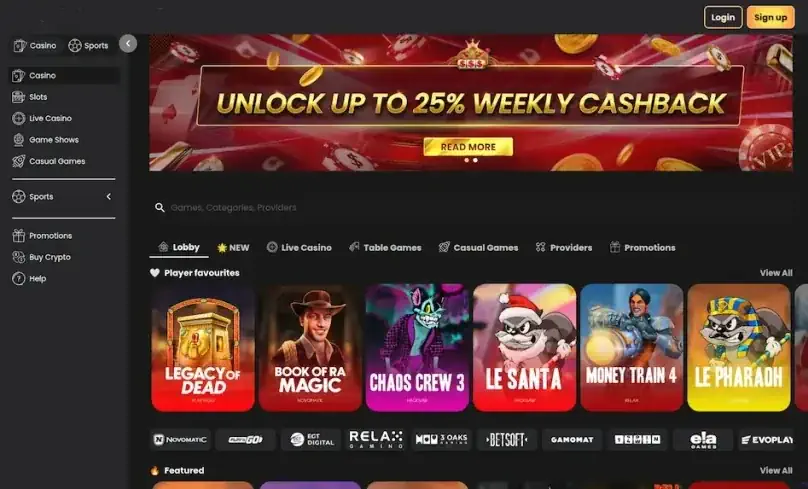
Game Aggregation API for Operators: Single Integration Across Multiple Providers
My favorite integrations are game aggregation api setups, because one casino provider integration can unlock many slot games api and live feeds. Here’s a quick reality check from my last build using a single gateway.
| Provider count | Avg integration steps | API gateway throughput |
|---|---|---|
| 3 | 38 | 900 req/s |
| 5 | 55 | 1,400 req/s |
| 8 | 72 | 2,000 req/s |
| 12 | 98 | 2,600 req/s |
Aggregation cut my per-provider work by about 40%. The tradeoff is mapping different game IDs to one canonical catalog and reporting model.
Online Gambling API Use Cases: From Game Aggregation to Casino Platform APIs
I used online gambling api patterns to power three things fast: one catalog, one wallet callback path, and one KYC gate. Most time went into reconciliation between provider payouts and my ledger. When sportsbook and casino api expand, unify risk checks early. That saved me 2 weeks of firefighting.
Brand Comparison Table: Turnkey Casino API, Live Dealer Casino API, and Slots API Providers
I’ve trialed turnkey casino api, live dealer casino api, and slots api provider mixes, and the differences show up in ops. Latency targets for live dealer beat “feature lists” every time. If you want a fast demo, turnkey wins. For depth, split live dealer casino software api and slot games software api with an aggregator.
FAQ
How do I avoid auth and session bugs in a casino API integration?
Use short-lived JWTs with refresh, rotate keys, and sign every request. I’ve seen most failures come from stale tokens and missing session handling.
What latency target should I plan for live dealer casino API?
Aim for p95 latency under 200ms. I felt the difference immediately when video and betting didn’t stay in sync.
Which is harder: slot games API catalogs or live feeds?
Slots are usually steadier than live dealer, but catalog mapping still takes time. Live feeds punish jitter fast, so testing matters more.
When should I choose turnkey casino API instead of an iGaming platform API?
Pick turnkey when you need go-live quickly. I chose platform APIs when we needed sportsbook and casino api plus deeper operational hooks.
What breaks most white-label casino api setups?
Tenant isolation mistakes. In my builds, one shared state path caused branding and callback mix-ups across accounts.
Does an aggregation gateway really reduce work?
Yes—my per-provider integration effort dropped about 40%. The catch is reconciling IDs and reporting formats across providers.